Millennia of history, gastronomy, charming neighborhoods, rooftop terraces overlooking the Acropolis, and an atmosphere that blends the past with the present. Athens is a city that deserves to be experienced at a relaxed pace, but with good planning, it is possible to discover its main landmarks and experiences in just two days.
The Greek capital is one of those cities where history is literally part of the journey. Among temples, archaeological sites, tavernas, cafés, markets, and charming streets, Athens reveals different periods of Greek civilization while maintaining a vibrant urban atmosphere.
If you are planning a trip around Greece, it is worth setting aside at least two full days for Athens. If you have more time, three or four days allow you to visit museums at a more leisurely pace, explore less touristy neighborhoods, and include more gastronomic and cultural experiences.
Athens: A City Between Antiquity and Contemporary Life
Athens is the capital and largest city of Greece and an excellent gateway for travelers looking to combine a cultural journey through mainland Greece with some of the country’s famous islands.
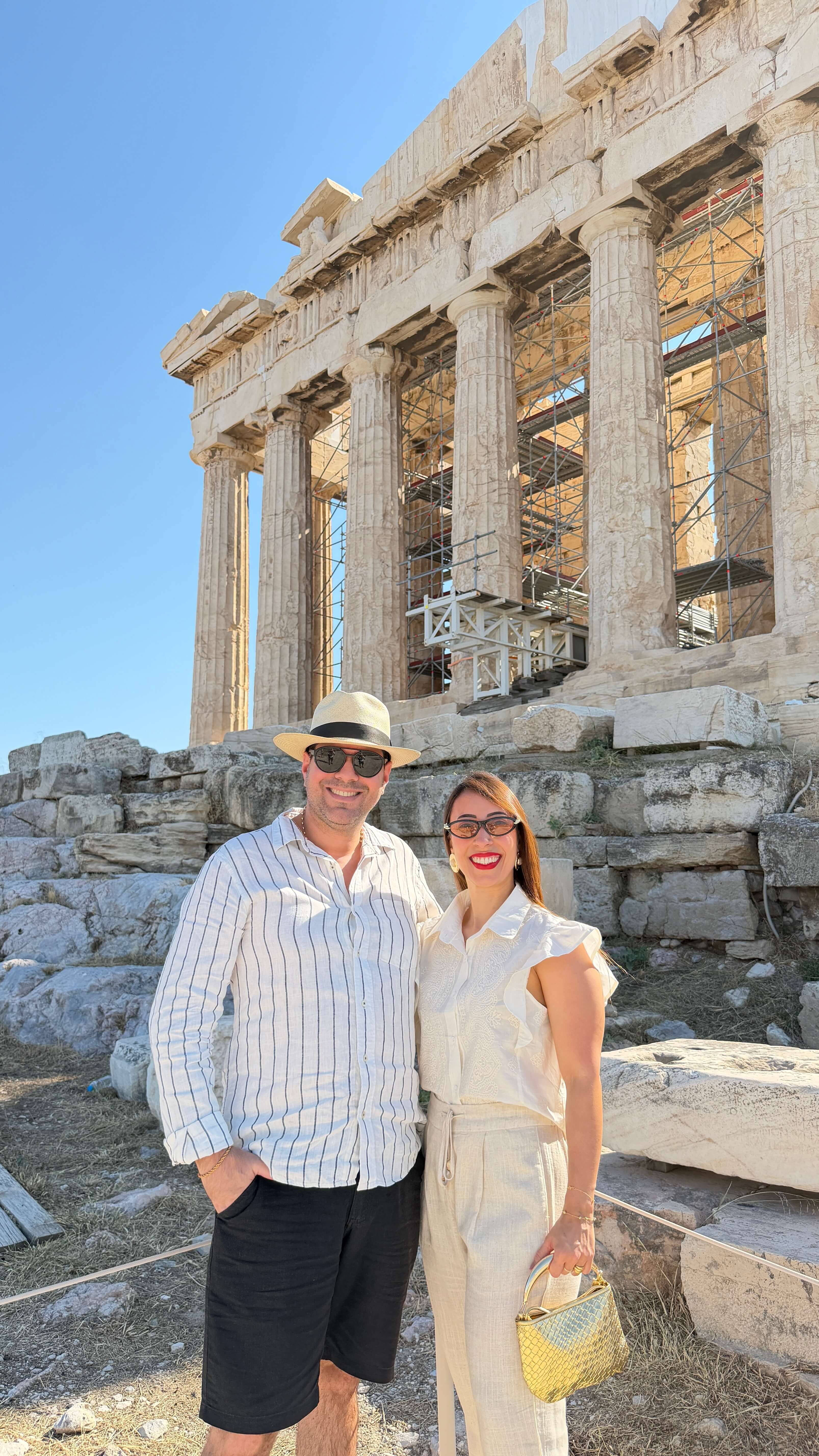
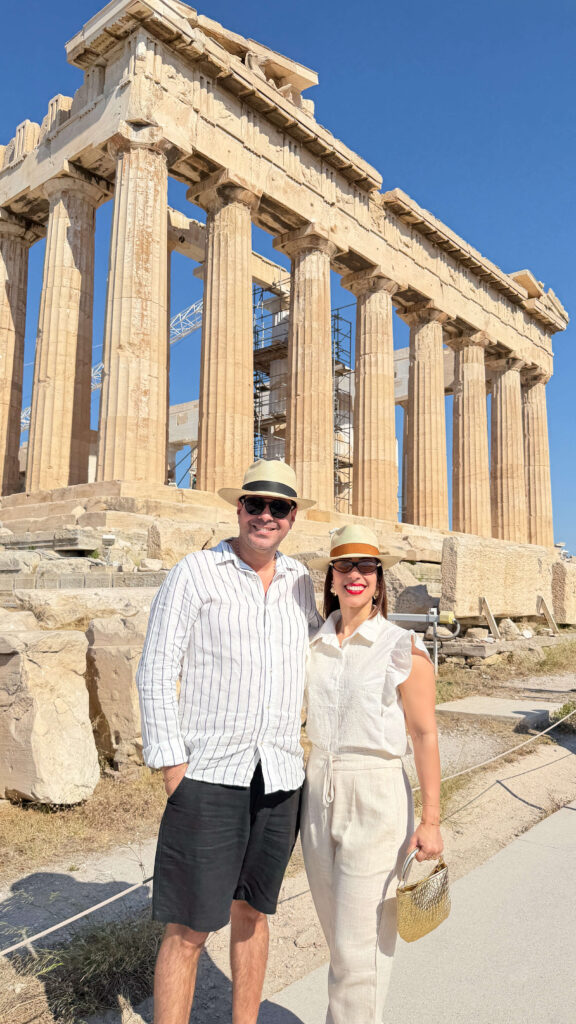
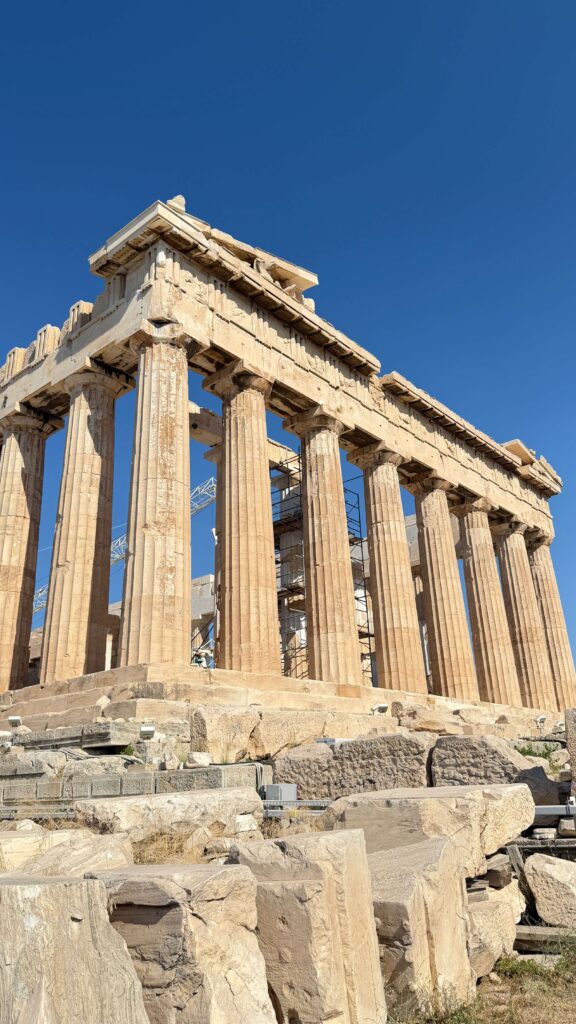
Its main landmark is the Acropolis, a monumental complex located on a hill overlooking the city. It is home to the Parthenon, built in the 5th century BC during the Classical period.
But Athens goes far beyond the Acropolis.
The city brings together different historical layers: remains of Ancient Greece, Roman monuments, Byzantine churches, neoclassical buildings, and contemporary neighborhoods filled with restaurants, bars, shops, and cafés.
It is precisely this combination that makes the Greek capital so fascinating.
What to Do in Athens
Acropolis: The Must-See Attraction
There is no way to talk about Athens without starting with the Acropolis.
The complex includes monuments such as the Parthenon, the Erechtheion, the Temple of Athena Nike, and the Propylaea, as well as other archaeological remains on the slopes.
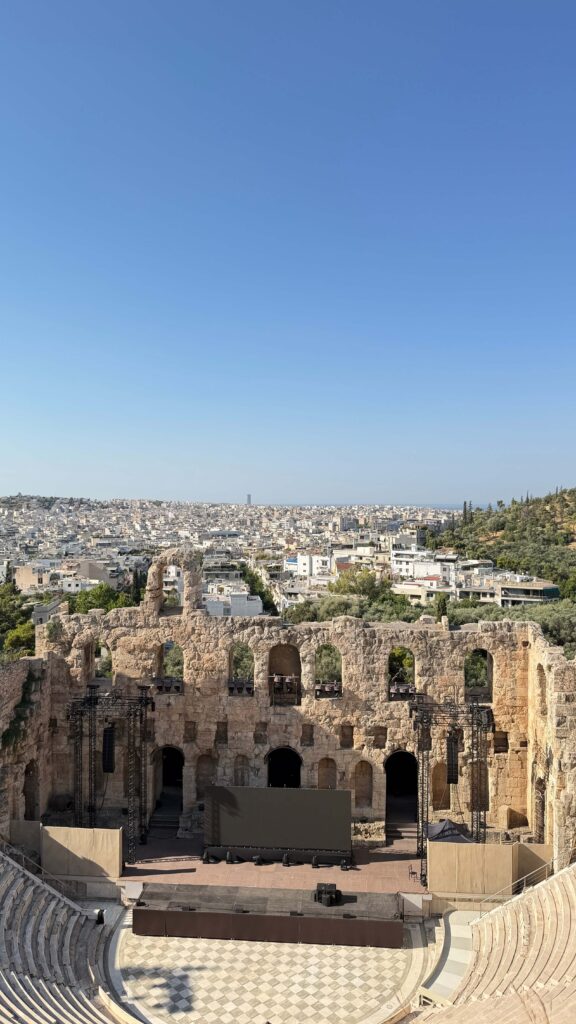
Ideally, set aside a few hours for the visit. In addition to the monuments themselves, the climb offers some of the best panoramic views of Athens.
To make the most of the experience, arrive early or choose a time closer to the end of the afternoon, avoiding the most intense summer heat. It is also advisable to purchase tickets in advance, especially during busy periods, and check the official opening hours before your visit.
Acropolis Museum
Located at the foot of the Acropolis, the Acropolis Museum complements the visit to the archaeological site.
Its collection includes thousands of objects related to the Acropolis and the history of the area, including sculptures and architectural elements from different periods. The Parthenon Gallery is one of its highlights.
It is particularly interesting for travelers who want to better understand the historical and artistic context of the monuments they have just visited.
Ancient Agora and Temple of Hephaestus
The Ancient Agora was the heart of ancient Athens.
It was the place where important political, commercial, social, and religious activities took place. The site developed over different periods and today allows visitors to explore important remains of ancient Greek civilization.
One of its main monuments is the Temple of Hephaestus, considered one of the best-preserved ancient Greek temples.
The visit also includes the Stoa of Attalos, which was reconstructed and is now used as a museum.
Plaka
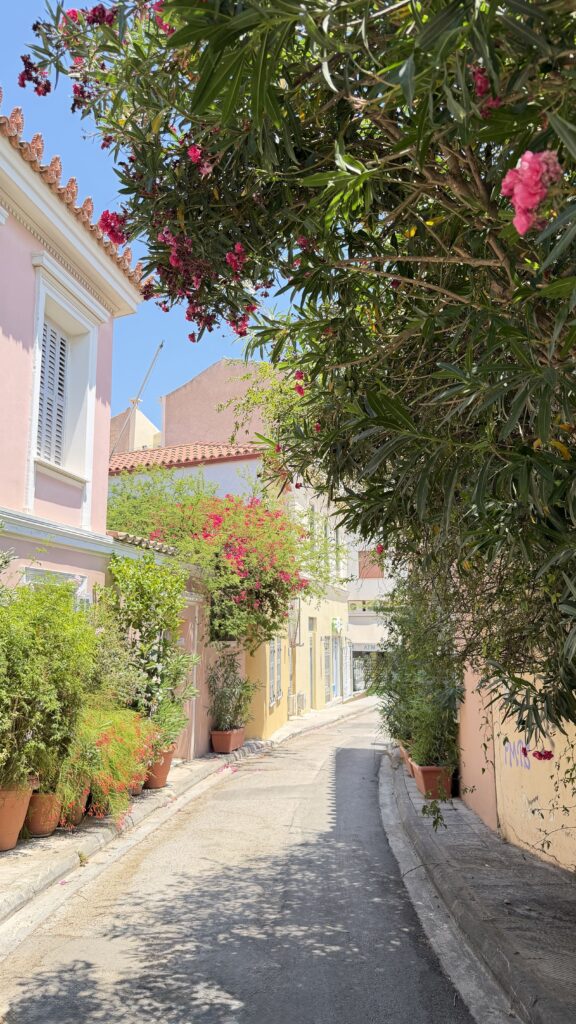
At the foot of the Acropolis lies Plaka, one of Athens’ best-known neighborhoods.
Its narrow streets, neoclassical buildings, small shops, restaurants, and cafés make it one of the most pleasant areas for walking.
It is particularly enjoyable in the late afternoon, when temperatures are usually more comfortable.
As one of the city’s most popular areas, Plaka can become quite crowded, especially during the high season.
Anafiotika: A Little Piece of the Greek Islands in Athens
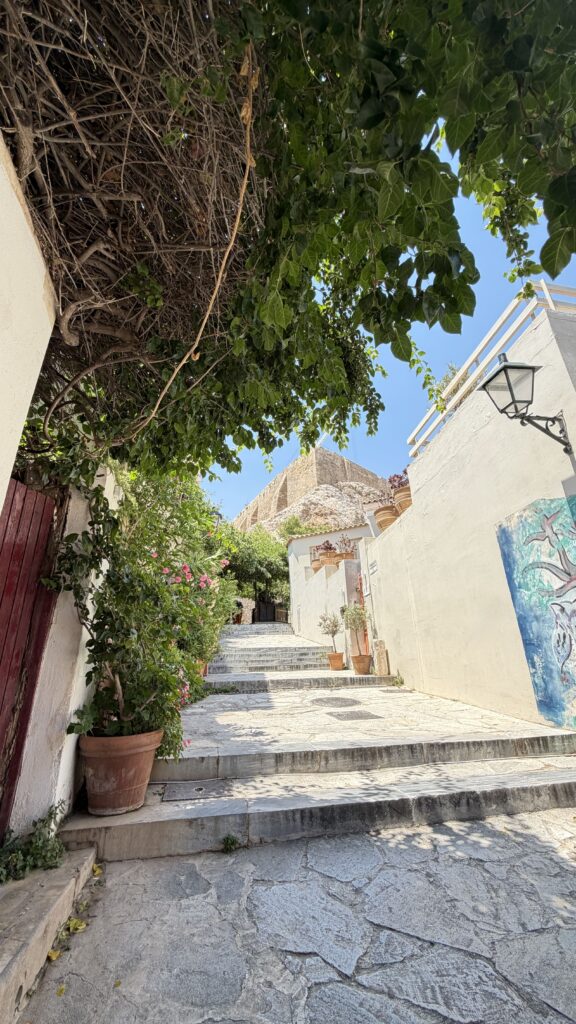
Within the Plaka area lies Anafiotika, a small cluster of streets built on the slopes of the Acropolis.
Its whitewashed houses, narrow lanes, and small stairways resemble the landscapes of the Greek islands.
It is a wonderful place to simply wander without a fixed itinerary, discovering small corners and viewpoints along the way.
Monastiraki
Monastiraki is another essential stop in central Athens.
The square is lively throughout most of the day and is close to important attractions such as the Ancient Agora. The area is also home to shops, restaurants, cafés, and the famous market selling antiques and a variety of goods.
The Monastiraki metro station is particularly convenient for visitors, connecting different parts of Athens while being located right in the heart of the historic center.
Roman Agora
Just a few minutes from Monastiraki is the Roman Agora, built between 19 and 11 BC.
The site served as an important civic center during the Roman period and preserves structures such as the famous Tower of the Winds.
It is an easy stop to include in the same itinerary as Plaka, Monastiraki, and the Ancient Agora.
Syntagma Square and the Greek Parliament
Syntagma Square is the political and institutional center of Athens.
The Greek Parliament is located here, as well as the traditional Changing of the Guard ceremony in front of the Tomb of the Unknown Soldier.
It is also one of the most convenient areas for getting around the city thanks to its public transportation connections.
Other Places Worth Adding to Your Itinerary
If you have more than 48 hours in Athens, consider adding a few more experiences to your itinerary.
The Temple of Olympian Zeus is one of the great monuments of ancient Athens and is located near the Acropolis.
The Panathenaic Stadium, built entirely of marble, is also worth visiting. The site is connected to the tradition of the Panathenaic Games and the history of the modern Olympic Games.
For history and archaeology enthusiasts, the National Archaeological Museum is another excellent choice.
Mount Lycabettus offers one of the best panoramic views of Athens and is a wonderful option for late afternoon and sunset.
The Stavros Niarchos Foundation Cultural Center offers a more contemporary side of Athens, with architecture, green spaces, and cultural programming.
If you have more time, it is also worth exploring the Athens Riviera to the south of the city, passing through areas such as Glyfada, Voula, and Vouliagmeni.
Where to Stay in Athens
Choosing the right area makes a big difference, especially if you only have a few days.
Plaka
One of the most convenient options for first-time visitors who want to stay close to the main historical attractions.
It is a great choice if you plan to explore much of the city on foot and want to be surrounded by restaurants, cafés, and shops.
Koukaki and the Acropolis Area
At the foot of the Acropolis, Koukaki combines a strategic location with a more residential atmosphere and a good selection of restaurants and cafés.
It is an interesting alternative for travelers who want to stay close to the main attractions without necessarily being in the busiest part of the city.
Monastiraki and Psirri
These are busier areas, filled with restaurants, bars, shops, and nightlife.
They are a good choice for travelers who like being close to everything and want to enjoy the city after the historical attractions have closed.
Syntagma
The area around Syntagma Square offers an extremely convenient location for transportation and exploring the historic center.
For short trips, it can be an excellent base.
Kolonaki
For those looking for a more sophisticated and urban experience, Kolonaki is one of the city’s most elegant neighborhoods, known for boutiques, restaurants, cafés, and galleries.
Other Neighborhoods
If you plan to stay longer in Athens, you can also consider neighborhoods such as Pangrati, Exarchia, Gazi, Keramikos, Thissio, and Petralona, which offer a more local and contemporary perspective of the city.
Where to Eat in Athens
Food is an important part of the experience in the Greek capital.
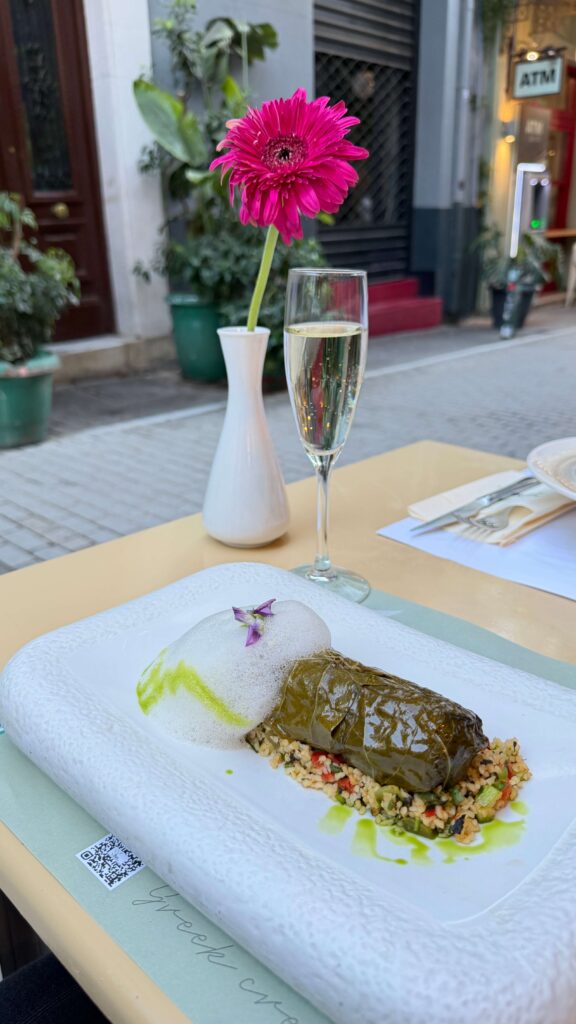
Among the dishes worth trying are moussaka, souvlaki, gyros, tzatziki, Greek salad, spanakopita, dolmades, feta, and baklava.
You should also try traditional Greek yogurt with honey and fruit.
For an experience with a view of the Acropolis, Dionysos Zonar’s is a traditional option in a privileged location.
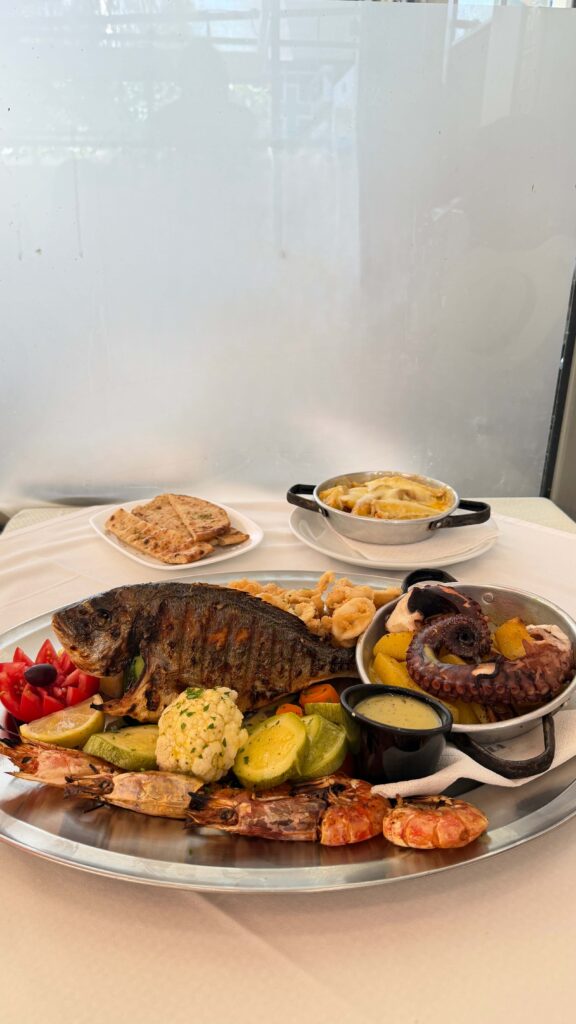
During our trip, we chose Liondi Restaurant for lunch. Its location, just a few steps from the Acropolis, made it a convenient choice for our itinerary, as well as an opportunity to try Greek cuisine.
LoveTip: Don’t limit your gastronomic experience to restaurants with views of the Acropolis. Athens has excellent tavernas and restaurants throughout neighborhoods such as Koukaki, Psirri, Pangrati, and Monastiraki.
Rooftops: Athens from Above
One of the most enjoyable experiences in the city is ending the day on a rooftop overlooking the Acropolis.
That is exactly what we did at Attalos Hotel, where we stayed. Its rooftop offers a privileged view of the illuminated Acropolis, making it the perfect setting for an evening drink.
There are also several rooftop bars and restaurants throughout the historic center.
LoveTip: If the view is a priority for you, always check whether the rooftop is open during your travel dates and make a reservation when necessary.

How to Get to Athens
The main gateway to the city is Athens International Airport – Eleftherios Venizelos (ATH).
The airport receives international flights and offers several transportation options to the city center.

From the Airport to the City Center
The metro is one of the most convenient options. Line 3 connects the airport with central Athens and continues to Piraeus.
There are also express buses connecting the airport with important areas such as Syntagma and Piraeus.
Taxis are another option, especially for travelers with luggage or those who prefer door-to-door transportation.
For travelers boarding a Mediterranean cruise, the connection to Piraeus is particularly important. The port can be reached from the airport by metro, suburban railway, or the X96 bus.
Getting Around Athens
For exploring the historic center, walking is one of the best ways to experience the city.
Many of the main attractions are relatively close to one another, and walking between them allows you to discover streets, cafés, and small local businesses along the way.
For longer distances, the metro is very useful. Athens also has buses, trams, and suburban rail services.
Our suggestion is to combine walking, the metro, and taxis when necessary.
Renting a car if you are staying only in Athens is generally unnecessary. Traffic, parking, and narrow streets in the historic areas can make the experience less convenient.
When to Visit Athens?
Athens can be visited year-round, but the experience varies considerably depending on the season.
Spring: April to June
Temperatures are generally pleasant, making this a great time for walking around the city and visiting outdoor attractions.
Summer: July and August
This is the hottest and one of the busiest periods. The sun can be intense, especially during a visit to the Acropolis.
If you travel during this period, schedule outdoor attractions for cooler times of the day and stay well hydrated.
Autumn: September and October
This is a particularly appealing time to visit Athens, with generally more comfortable temperatures and good conditions for walking.
Winter: November to March
This is the quieter season and can be interesting for travelers who prioritize museums, gastronomy, and cultural attractions.
How Many Days Should You Spend in Athens?
48 Hours
It is possible to see the main landmarks and have a great first experience of the city.
Day 1: Acropolis, Acropolis Museum, Plaka, Anafiotika, Monastiraki, and a rooftop in the evening.
Day 2: Ancient Agora, Temple of Hephaestus, Roman Agora, Syntagma, Panathenaic Stadium, and Mount Lycabettus at the end of the day.
3 to 4 Days
With more time, you can add the National Archaeological Museum, Temple of Olympian Zeus, neighborhoods such as Koukaki, Kolonaki, and Pangrati, as well as the Athens Riviera, additional gastronomic experiences, shopping, and other museums.
Athens in 48 Hours: The Itinerary We Followed
During our time in the Greek capital, we focused our itinerary on the city’s main historical and gastronomic experiences.
We started with the Acropolis, an essential experience for anyone visiting Athens. Afterwards, we took a gastronomic break with a view of the monument and explored some of the most charming areas of the historic center.
We visited the Ancient Agora, Temple of Hephaestus, Monastiraki, Plaka, and Anafiotika, taking advantage of the journey to walk through the streets without rushing.
For lunch, we chose Liondi Restaurant, located near the Acropolis.
In the evening, we returned to the hotel and ended the day on the rooftop of Attalos Hotel, admiring the illuminated Acropolis.
It was our way of experiencing Athens by combining what we enjoy most about traveling: history, gastronomy, walking, experiences, and places that are part of the destination’s identity.
Practical Information for Your Trip
Currency: euro (€)
Language: Greek. English is widely spoken in tourist areas.
Time zone: Athens is several hours ahead of Brazil, depending on the time of year and daylight-saving arrangements in each country.
Plugs: The standard is European, with two round pins. Bring an adapter.
Cards: Credit and debit cards are widely accepted, but it is always advisable to carry some cash for small expenses.
Footwear: Comfortable shoes are essential. Many historic areas have uneven stone surfaces, stairs, and floors that can become slippery.
Entry Requirements for Brazilians Traveling to Greece
For short tourist trips, Brazilian citizens are currently among the nationalities exempt from a visa for the Schengen Area, with stays of up to 90 days within any 180-day period, subject to the applicable entry requirements.
For trips at the end of 2026, it is also important to check the ETIAS requirements, the European travel authorization system for citizens of visa-exempt countries. Its implementation is expected to be connected to the final quarter of 2026, but the start date and any transitional periods should be confirmed before traveling.
As entry requirements may change, we recommend checking the official requirements immediately before departure.
So, Is Athens Worth Visiting?
Athens is a city that deserves more than a quick stop between a flight and a Greek island.
The Acropolis is undoubtedly its greatest symbol, but the experience goes far beyond it. It can be found in walks through Plaka, tables at traditional tavernas, the lively atmosphere of Monastiraki, the remains of the Ancient Agora, museums, rooftops, and the way the city blends thousands of years of history with contemporary urban life.
In 48 hours, you can see the main highlights. But if your itinerary allows it, staying a little longer is the best way to discover an Athens that goes far beyond the postcards.
LoveTip
If this is your first time in Athens, our suggestion is to stay in the historic center or near the Acropolis and organize your itinerary by area. That way, you can make many of your journeys on foot and turn the walk itself into part of the experience.
And don’t leave the Acropolis visit to just any time of day: book in advance and, especially during the warmer months, prioritize times with less direct sunlight.
Athens in 48 hours: history, flavors, charming neighborhoods, and one of Europe’s most iconic landscapes.